
Learning to Live at My Own Pace
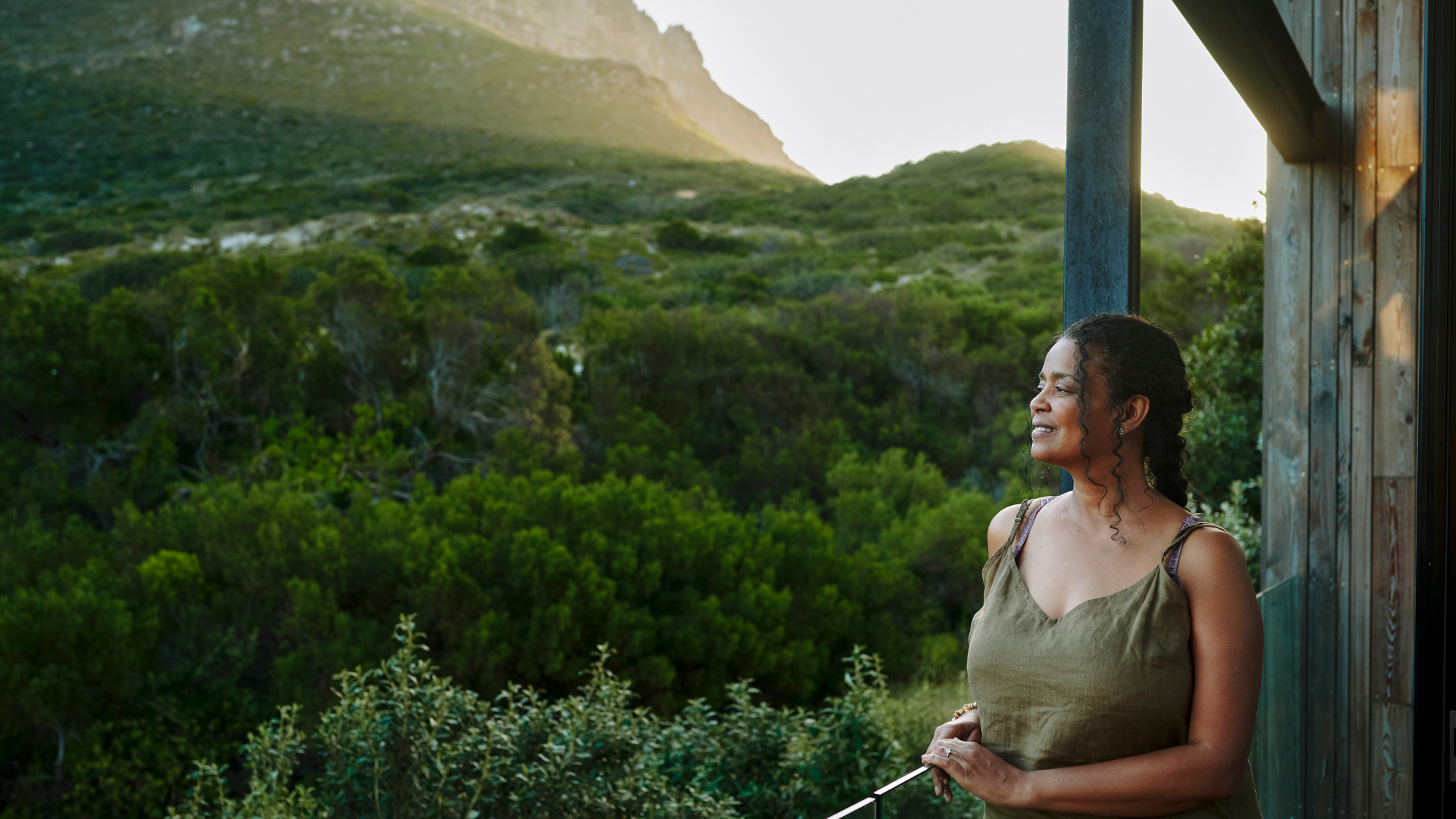
There comes a quiet realization in adulthood: the pace being kept no longer fits. The constant rushing. The automatic yes. The invisible timelines that were never consciously chosen. What once felt motivating begins to feel heavy. Movement continues, but fulfillment lags behind. Living well requires reclaiming rhythm.
Learning to Slow Down
Life is often treated like a race. Seasons blur together. Milestones become checkpoints. Comparison slips in unnoticed. The pressure to “catch up” creates urgency that rarely pauses long enough for reflection. Over time, that urgency becomes exhausting. Rushing does not always look dramatic. It can appear productive. Efficient. Responsible. Yet beneath it often lives tension — a subtle belief that stillness equals stagnation.
“Slowing down isn’t falling behind. It’s finally arriving.”
Slowing down is not a surrender of ambition. It is a recalibration of energy. It is the decision to move intentionally instead of reactively. It is choosing breath over pressure.
Choosing a Gentler Rhythm
A gentler rhythm begins with attention. Noticing fatigue before collapse. Recognizing when the mind feels overloaded. Acknowledging the quiet craving for stillness that surfaces between commitments. Intentional pacing is built through small choices. Saying yes with clarity instead of obligation. Saying no without excessive justification. Allowing mornings to unfold without immediate stimulation. Protecting evenings as spaces of restoration rather than extension. These adjustments may appear minor, but they shift the internal landscape. They replace urgency with steadiness. They replace comparison with presence.
What a Slower Life Reveals
When pace softens, perception sharpens. Details once overlooked become visible — sunlight stretching across the floor, the tone of a familiar voice, the satisfaction of completing one task fully before beginning another. A slower life is not empty. It is textured. It holds depth where speed once skimmed the surface. Conversations feel more connected. Work feels more intentional. Rest feels less conditional. Slowness creates space for awareness. Awareness creates meaning.
Living in Alignment Instead of Acceleration
Timelines are often inherited rather than chosen. Cultural expectations. Peer milestones. External markers of success. But alignment rarely follows someone else’s schedule. Choosing a personal pace requires courage. It requires detaching from urgency that does not belong. It requires trusting that progress can exist without constant acceleration. Life will always move forward. Seasons will shift. Growth will continue. But movement does not have to feel like a chase. When pace aligns with capacity, life begins to feel inhabited rather than hurried. Presence deepens. Fulfillment stabilizes.
Living at a personal pace is not about doing less. It is about doing deliberately. It is about allowing rhythm to replace rush. And when that happens, life does not shrink — it expands in ways speed never allowed.
