
Living
〰️
Wellness
〰️
Hobbies
〰️
Workwell
〰️
Travel
〰️
Living 〰️ Wellness 〰️ Hobbies 〰️ Workwell 〰️ Travel 〰️
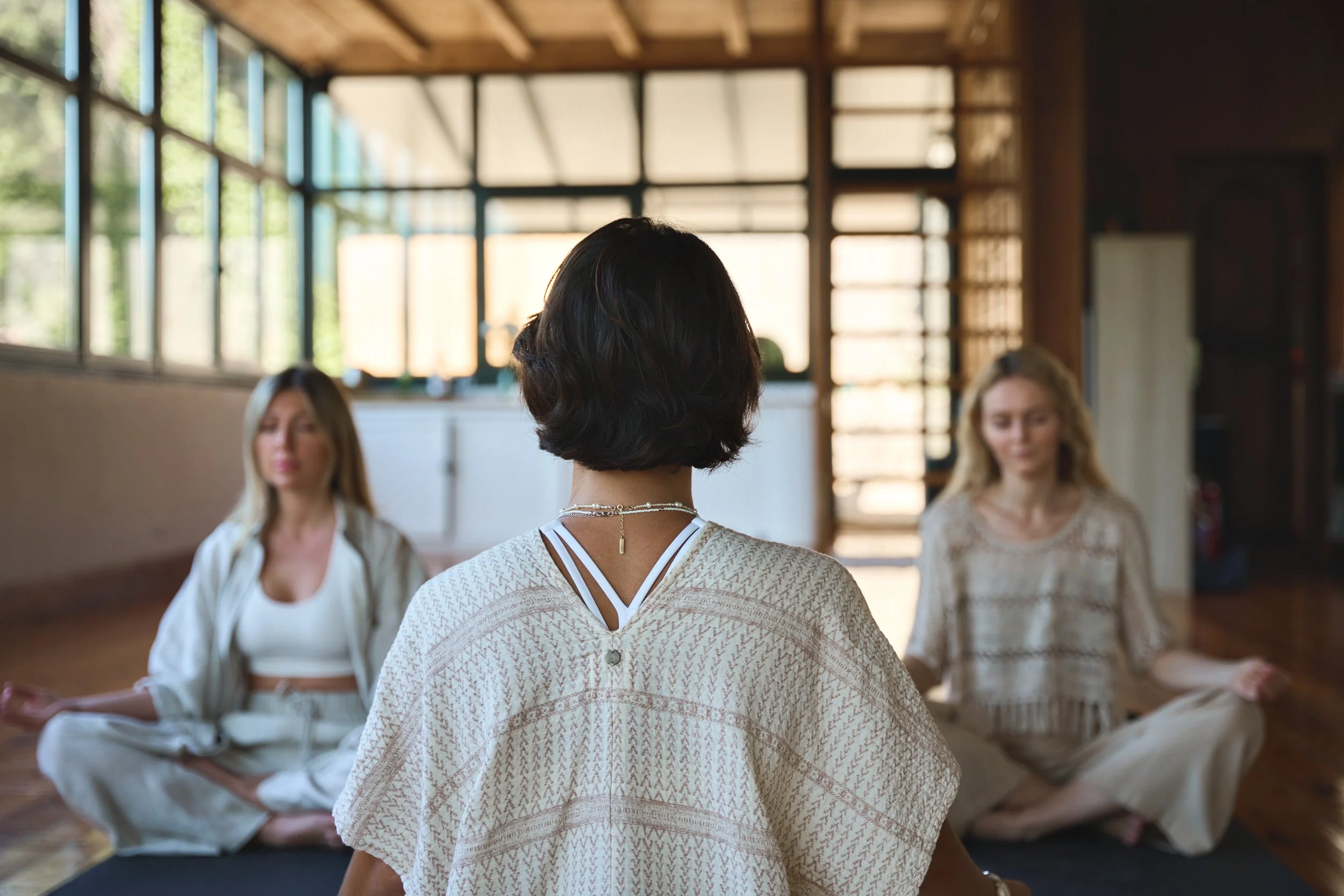
Women’s Health Green Flags: What Feeling Good Actually Looks Like (And Why It Matters More Than You Think)
There’s something really refreshing about shifting the conversation from “what’s wrong” to “what’s working.” So much of women’s health is centered around symptoms, diagnoses, and things to fix. And while that matters, it can also make it easy to forget what feeling good is even supposed to feel like. Because here’s the truth: optimal health isn’t extreme, complicated, or hard to maintain. It’s steady. It’s supportive. It’s those small, everyday signs that your body is in sync. These are your green flags. And once you start noticing them, everything changes.

The Soft Power of Boundaries at Work
Professional success is often equated with accessibility. Quick responses. Flexible hours. Immediate availability. Saying yes before hesitation arises. At first, this responsiveness appears admirable. It builds trust. It signals commitment. Over time, however, constant accessibility quietly erodes energy and focus.

The Nervous System Reset We All Need
Stress has become so normalized that it often goes unnoticed. Tight shoulders. A clenched jaw. Shallow breathing that never quite reaches the bottom of the lungs. Notifications humming in the background. Thoughts racing ahead of the present moment. The body remains alert long after the urgency has passed. Over time, this heightened state begins to feel ordinary — almost like a personality trait rather than a stress response. Wellness asks for a different approach.
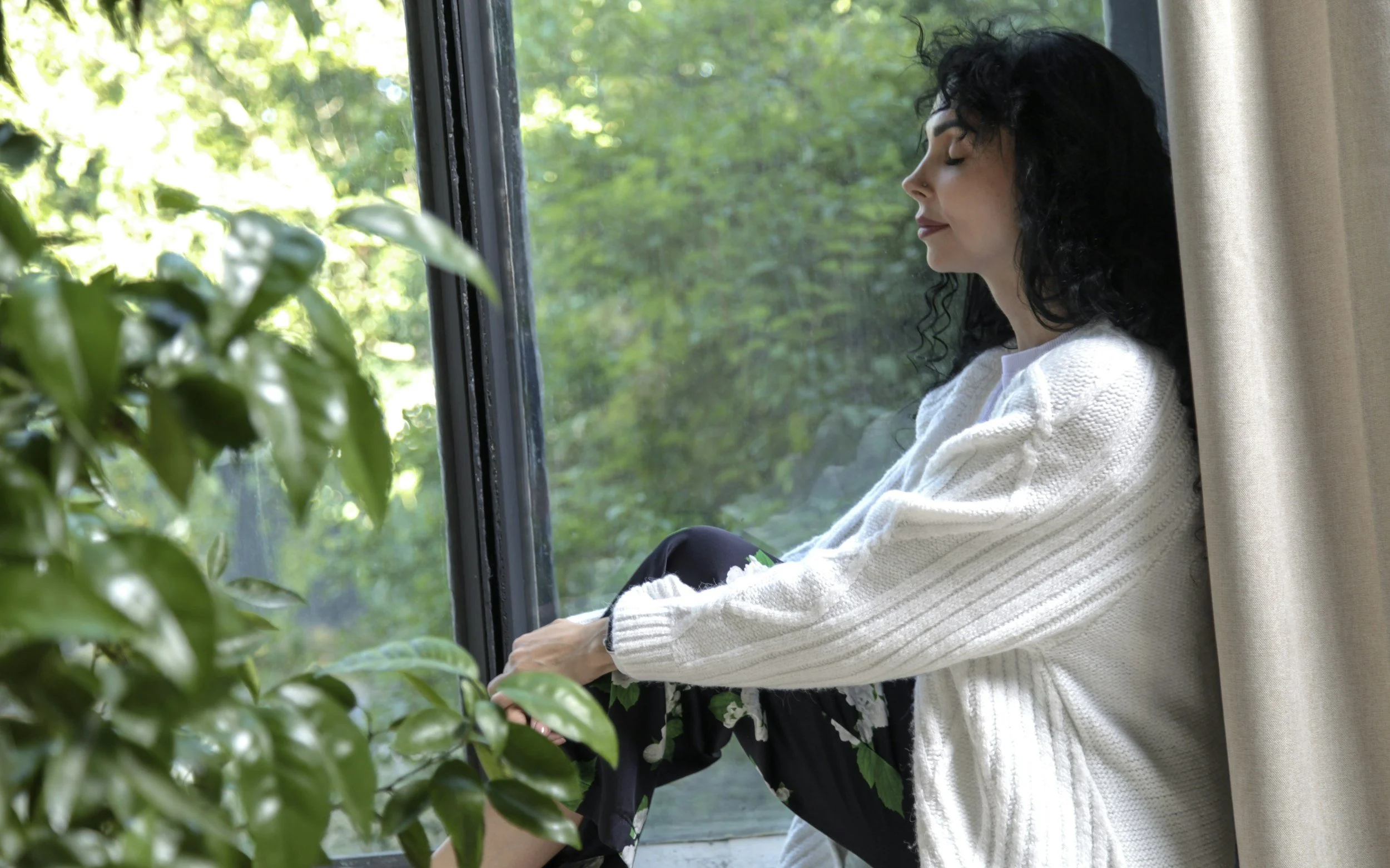
The Quiet Confidence of Knowing Yourself
For a long time, confidence was mistaken for volume. For certainty spoken loudly. For boldness that filled a room. But real confidence rarely performs. It doesn’t rush. It doesn’t demand attention. It simply exists. Living well requires redefining what strength looks like.

Making Time for What Doesn’t “Make Sense”
For a long time, I believed everything I did needed to be productive. If it didn’t grow my career, improve my body, or move something forward, it felt indulgent. Hobbies seemed optional. Extra. Something to do only after the important things were finished. But eventually, I realized that constantly prioritizing output was quietly draining the joy out of my life.

Healing Your Relationship With Rest
For a long time, rest felt like something I had to earn. I believed I could slow down only after I had accomplished enough. Productivity came first. Recovery came later—if there was time. But eventually, I realized that pushing through exhaustion wasn’t making me stronger. It was quietly draining me. Personal wellness is about changing that narrative.
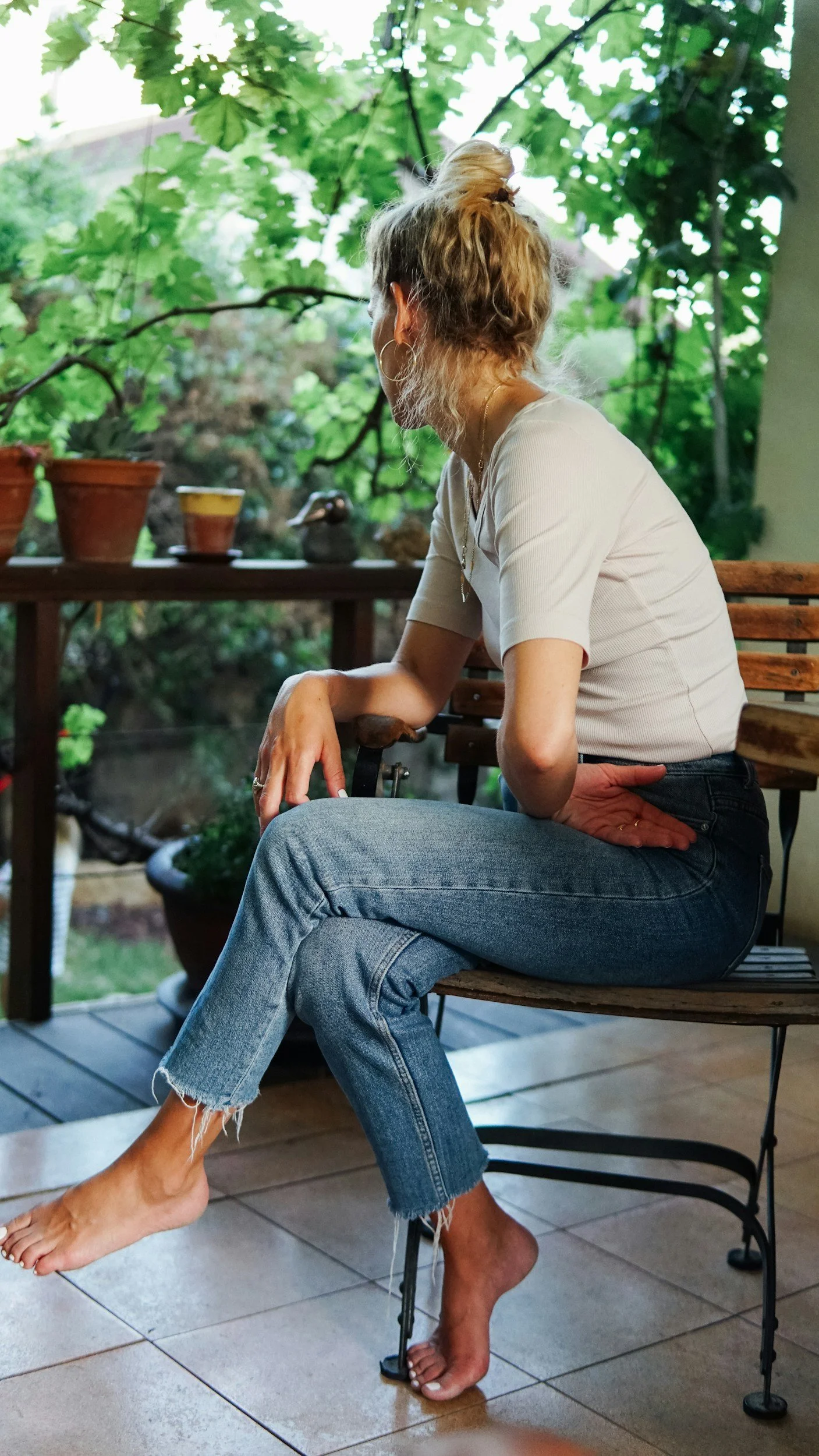
Letting Life Be Enough
For a long time, I believed life needed to feel big to feel meaningful. Major milestones. Big moves. Constant growth. I thought if I wasn’t expanding, I was falling behind. But somewhere along the way, I realized that constantly chasing the next thing was keeping me from appreciating what was already here.

Working Well Instead of Just Working More
For a long time, productivity felt like a measure of worth. The more we accomplished, the more valuable we felt. Busy became a badge of honor, and rest felt like something we had to earn. But somewhere along the way, many of us realized that working harder wasn’t making us feel better—it was wearing us down.

Finding Beauty in the Parts Once Overlooked
Beauty is often reduced to reflection — something evaluated in mirrors, compared in photographs, measured against shifting standards. But beauty is also presence. It is softness. It is the way someone inhabits a space. The way care is offered to oneself. Many learned early to scan for flaws before anything else. To search for improvement before appreciation. Wellness invites a different lens.

When Wellness Becomes Less About Perfection and More About Care
At some point, wellness quietly became a checklist. Hydrate. Move. Meditate. Repeat. It shifted from something to experience into something to accomplish. Habits were tracked. Routines were optimized. Days were measured by whether every box was checked. Over time, care began to feel like performance. Real wellness begins the moment that narrative softens.