
Letting Life Be Enough
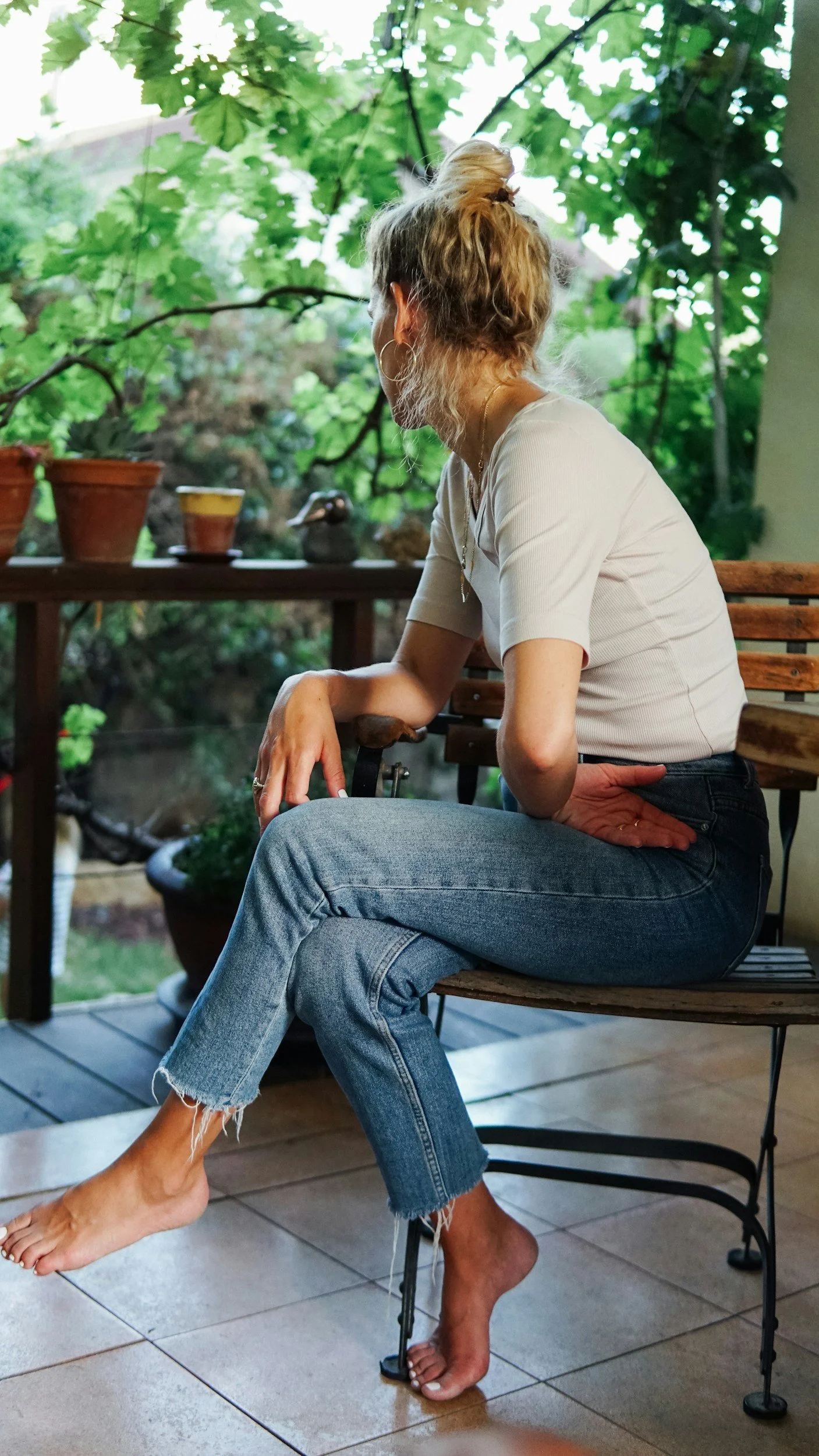
There is a subtle belief woven into modern life: that meaning must be large to be real. That fulfillment lives in milestones. Big moves. Constant expansion. If growth is not visible, it can begin to feel like stagnation. If progress is not dramatic, it can feel insufficient. Over time, this mindset creates quiet pressure — the sense that standing still is the same as falling behind. Intentional living asks for a different perspective.
The Pressure to Always Be Becoming
Modern culture glorifies reinvention. Upgrade the routine. Optimize the schedule. Transform the body. Elevate the brand. There is always another level to reach, another version to unlock. Growth itself is not the problem. Growth is natural and beautiful. The tension arises when growth becomes relentless — when becoming replaces being. Discontent does not always arrive loudly. It can appear as restlessness. As scrolling for something better. As difficulty enjoying the present because the mind is already rehearsing the next chapter. Even in peaceful seasons, there can be a subtle urge to improve them.
“Not every season needs to be transformative. Some are meant to be steady.”
Steady does not mean stagnant. It means grounded. It means rooted enough to remain present without craving constant acceleration.
What Living Well Actually Looks Like
Living well is not about accumulating more experiences. It is about absorbing the ones already here. It means allowing ordinary days to feel complete rather than transitional. It means noticing sunlight through a window. A slow meal. A conversation that lingers without urgency. Fulfillment shifts when it is no longer tied to visible expansion. Instead of measuring life by what changes, it becomes measured by how deeply it is felt. Routine stops feeling repetitive and begins to feel rhythmic. There is meaning in steadiness. There is richness in repetition. When the present moment is not treated as a stepping stone, it becomes something substantial.
Presence as a Daily Practice
Intentional living is not a single decision; it is a repeated choice. It lives in how mornings begin. In how evenings are protected. In whether stillness is resisted or welcomed. It is reflected in how self-talk sounds — whether it is gentle or demanding. Presence requires attention. It requires putting down what distracts. It requires choosing depth over speed. When presence becomes the goal, life softens. It feels less rushed and more inhabited. Not because circumstances are flawless, but because attention is anchored.
“Peace is not the absence of ambition. It is the presence of alignment.”
Ambition can coexist with steadiness. Growth can unfold without urgency. The difference lies in whether life feels chased or lived.
Small Shifts That Make a Difference
Letting life be enough does not require dramatic reinvention. It begins with small recalibrations. Lighting a candle during dinner instead of eating distracted. Stepping outside without tracking steps. Leaving space between commitments instead of filling every hour. Life will always move. Seasons will change. Goals will evolve. But movement does not have to feel like pursuit.
When life is allowed to be enough, contentment stops being postponed. Growth becomes organic rather than forced. And the present moment — however simple — becomes worthy of full attention. Living well is not about constantly becoming someone new. It is about recognizing that who exists right now is already deserving of presence, depth, and care.
