
Making Time for What Doesn’t “Make Sense”
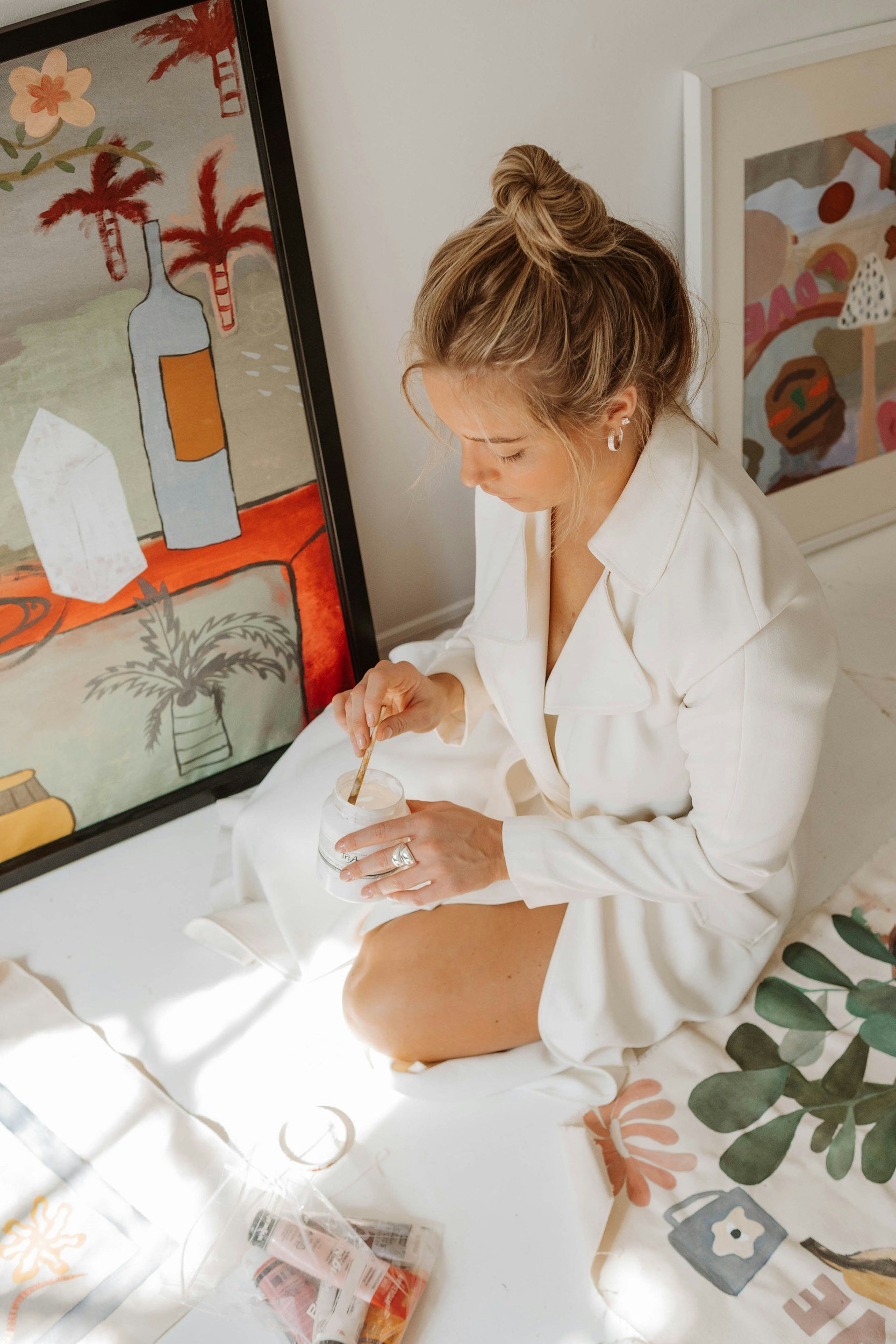
There was a time when everything needed a purpose. Every hour justified. Every effort productive. If an activity did not build a career, improve a body, or move something measurable forward, it felt unnecessary. Hobbies were treated as optional — extra — something reserved for after the “important” things were finished. But when output becomes the only metric of value, joy begins to quietly disappear. Hobbies exist to change that narrative.
The Pressure to Monetize Everything
Modern culture encourages optimization. If something is enjoyable, it should be leveraged. If a skill exists, it should generate income. Baking becomes a business. Painting becomes content. Writing becomes branding. At first, this mindset feels ambitious. It feels empowering to turn passion into productivity. Over time, however, it can become heavy. When every interest becomes strategic, restoration fades. What once felt playful begins to feel performative.
“Not everything you love needs to make money. Some things are meant to make meaning.”
The constant drive to monetize strips hobbies of their softness. It replaces curiosity with metrics. It replaces enjoyment with outcome. When pleasure must prove its usefulness, it stops feeling like pleasure at all.
What Hobbies Actually Provide
Hobbies are not distractions from real life — they are part of it. They create space for expression without evaluation. They allow engagement without pressure. They remind us that identity extends beyond responsibilities and roles.
A hobby does not need to advance anything tangible to be valuable. Reading slowly without summarizing. Rearranging a room without documenting it. Cooking without photographing. Writing without publishing. These acts reclaim personal space from performance.
Redefining value is central here. Value does not have to be measured in output. It can be measured in absorption. In presence. In the quiet satisfaction of doing something simply because it feels good.
Play as a Form of Wellness
There is a physiological shift that happens when expectations dissolve. The nervous system softens. The mind widens. Creativity returns. Hobbies create mental breathing room — space where thoughts can wander without urgency. Play interrupts productivity culture. It invites curiosity instead of comparison. It restores imagination that often becomes compressed under constant responsibility.
“Joy is productive in ways you cannot measure.”
The benefits may not appear on a résumé, but they appear in energy levels, emotional regulation, and overall steadiness. Joy replenishes in ways achievement cannot.
Small Shifts That Make a Difference
Reclaiming a hobby does not require large amounts of time. It begins with intention. Twenty minutes of a puzzle instead of scrolling. Music filling a quiet kitchen. A notebook kept private. A walk taken without tracking steps. Life will always carry responsibility. There will always be emails, tasks, deadlines. But life also requires play. It requires moments that are not optimized. Hobbies are not indulgent. They are restorative. They are reminders that existence is not solely about achievement. When space is made for what doesn’t “make sense,” something meaningful returns — lightness. And that lightness is not extra. It is essential.
